
For many homeowners, the monthly energy bill feels like a mystery that is impossible to solve. You might lower your thermostat in the winter or raise it in the summer, yet your costs remain stubbornly high. Often, the culprit is not your HVAC system or your daily habits. Instead, the problem lies in hidden air leaks that allow your expensive, conditioned air to escape while letting outdoor air seep inside.
At Infinite Air Solutions, we have found that the average home loses a significant portion of its heating and cooling through small cracks and gaps. These leaks force your system to work much harder than necessary. Detecting these leaks is the first step toward a more comfortable home and a lower utility bill. Here is how you can find the hidden gaps in your home’s envelope.
Hidden Air Leaks: The Visual Inspection
The most basic way to find leaks is through a thorough visual inspection of both the interior and exterior of your home. You should start by looking at the places where different building materials meet. This includes the corners of your home, the areas where the foundation meets the siding, and where the chimney connects to the roof.
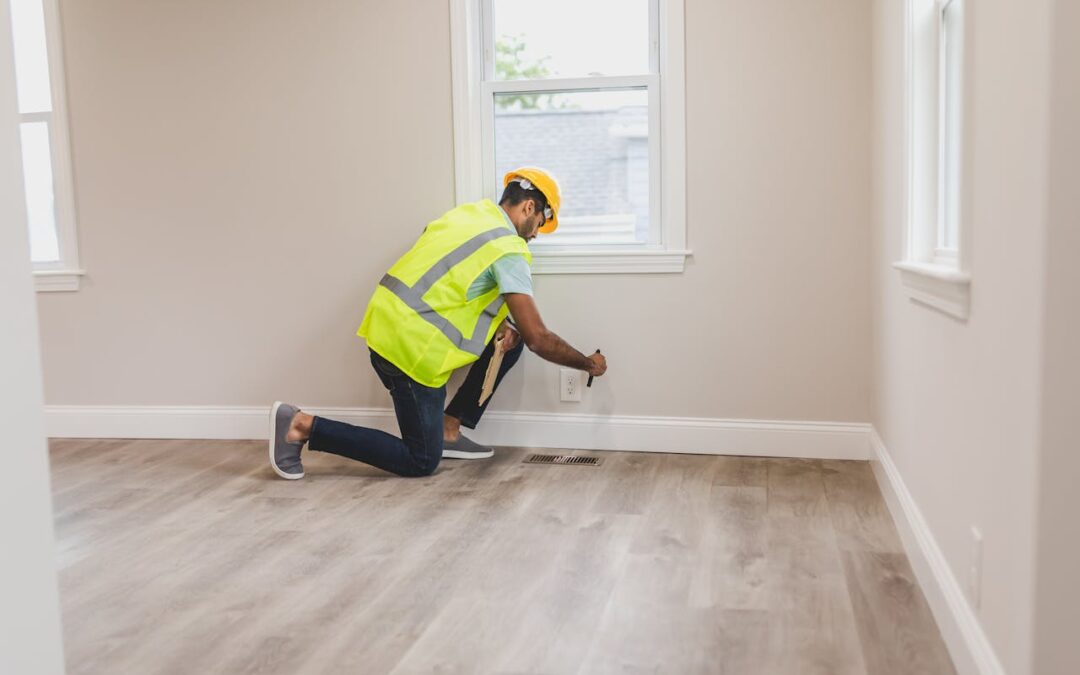
Inside your home, focus on the gaps around windows and doors. If you can see daylight through the frame of a closed door or window, you have a major leak. You should also check for gaps around baseboards, electrical outlets, and plumbing penetrations under sinks. These small openings might seem insignificant, but when they are added together, they can equal the size of a window being left open year round.
The Smoke Test
Some leaks are too small to see with the naked eye but are large enough to create a draft. A classic way to detect these is by using a smoke pencil or even a stick of incense. First, you should turn off your HVAC system and any fans. You want the air inside the house to be as still as possible.
Slowly move the smoke source around the edges of windows, door frames, and ceiling light fixtures. If the smoke begins to swirl or is blown away from a specific spot, you have found an active air leak. This method is particularly effective around the attic hatch and the fireplace damper, which are two of the most common sources of heat loss in the winter.
Hidden Air Leaks: The Flashlight Test
If you suspect a leak around a door or window but cannot feel a draft, try the flashlight test at night. This requires two people. One person stands outside in the dark while the other person shines a bright flashlight around the edges of the door or window frame from the inside. If the person outside sees rays of light peeking through, it indicates a gap that needs to be sealed with weatherstripping or caulk.
Checking the Attic and Basement
The attic and basement are often the biggest offenders when it comes to energy loss. This is due to the stack effect, where warm air rises and escapes through the top of the house while pulling cold air in through the bottom. Check your attic for dirty insulation. If you see spots where the fiberglass insulation has turned gray or black, it often means that air is filtering through it from the living space below. In the basement, look for gaps where the sill plate sits on top of the foundation wall.
Professional Assistance
While DIY methods are a great start, some leaks are buried deep within your walls or ductwork. A professional energy audit is the most accurate way to find every leak. Technicians at Infinite Air Solutions use specialized tools like blower door tests and thermal imaging cameras to pinpoint exactly where you are losing money.
By detecting and sealing these hidden air leaks, you can improve your indoor air quality and reduce the strain on your HVAC equipment. Contact Infinite Air Solutions today to schedule a comprehensive inspection and start saving on your energy bills.